
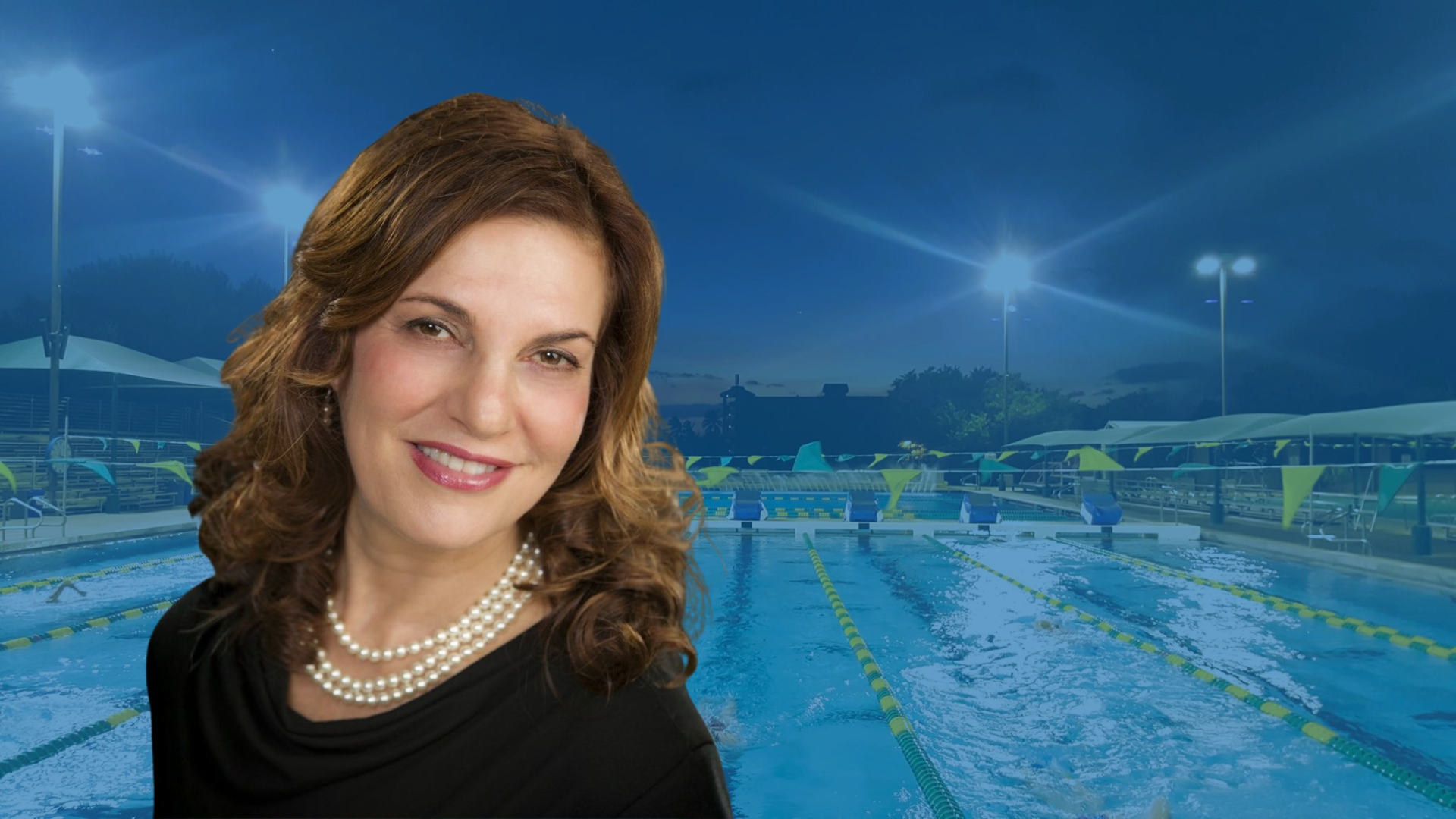
Marla Gilsig’s connection to swimming has evolved throughout her life, from her early years as a competitive swimmer and lifeguard to law school, a career spanning more than 30 years in human rights and family law, and eventually her return to competition with UBC Masters. Her journey began in 1963 with the Jewish Community Centre Swim Club, where she competed until 1967 before turning her attention to coaching and lifeguarding.
In 1968, at just 15 years old, Gilsig received the Canadian Red Cross Senior Lifesaving Certificate and spent the summer swimming at Camp Manitou in Ontario. She later coached young swimmers and worked as a lifeguard at Camp Hatikvah on Lake Kalamalka during the summers of 1969 and 1970. These early experiences helped develop the discipline, resilience, and time management skills that would later serve her throughout her education and legal career.
Following her competitive swimming years, Gilsig pursued a psychology degree at the University of Toronto before completing her law degree at the University of Victoria. She went on to practice human rights and family law in British Columbia for more than 30 years. Among her most significant professional contributions, she highlights her work on human rights cases and publications that advanced equality rights for women and people with disabilities.
During this period, she stepped away from organized swimming, exploring other sports, including tennis, skiing, running, and equestrian activities. Looking back on the challenges of adjusting to university life and the demands of her legal career, Gilsig reflects on what she missed most about swimming. While she continued to swim recreationally, she believes that remaining involved with a club would have provided an important source of balance, consistency, and friendship during those years.
It was in 2012, after years of participating in running events and experiencing increasing discomfort in her knees and feet, that Gilsig decided to return to the pool. She initially began swimming independently at the UBC Aquatic Centre before joining the UBC Masters Swim Club, a decision she describes as a significant positive change in her life. What started as a way to maintain her fitness soon became a regular part of her routine, with Gilsig training as often as four or five times a week. She was still practicing human rights and family law, often supporting clients through difficult experiences involving discrimination or separation and divorce. She credits regular swimming with helping her approach her work with greater patience, focus, and a calmer state of mind.
Throughout her Masters swimming journey, Gilsig has been influenced by coaches who encouraged her to continue improving. She credits two-time Olympian Savannah King, who coached UBC Masters from 2013 to 2017, with inspiring her to train consistently, refine her technique, and return to competition. She also recognizes current head coach Alexandra Kouzas for helping her navigate injuries and maintain her confidence at swim meets. Among her proudest accomplishments are setting UBC Masters Swim Club records in the 50m freestyle and breaststroke events and continuing to compete at events such as the BC Senior Games.
Gilsig continues to draw inspiration from fellow Masters swimmers, particularly Betty Brussel, whose competitive swimming achievements well into her 100s have encouraged her to set new goals. She recalls watching Brussel prepare for races with remarkable calm and enthusiasm, surrounded by a supportive community. Inspired by that example, she hopes to continue competing for another 20 to 30 years, improving her technique and breaking club swim records.
Reflecting on her journey, Gilsig encourages younger swimmers to remain connected to their clubs and communities, even as their goals and responsibilities change over time. She believes swimming offers far more than physical fitness or competitive success. It provides friendships, shared experiences, and a source of support that can continue throughout life.
Her advice to the next generation is simple: “Stay with the sport of swimming.”