History of the Sport
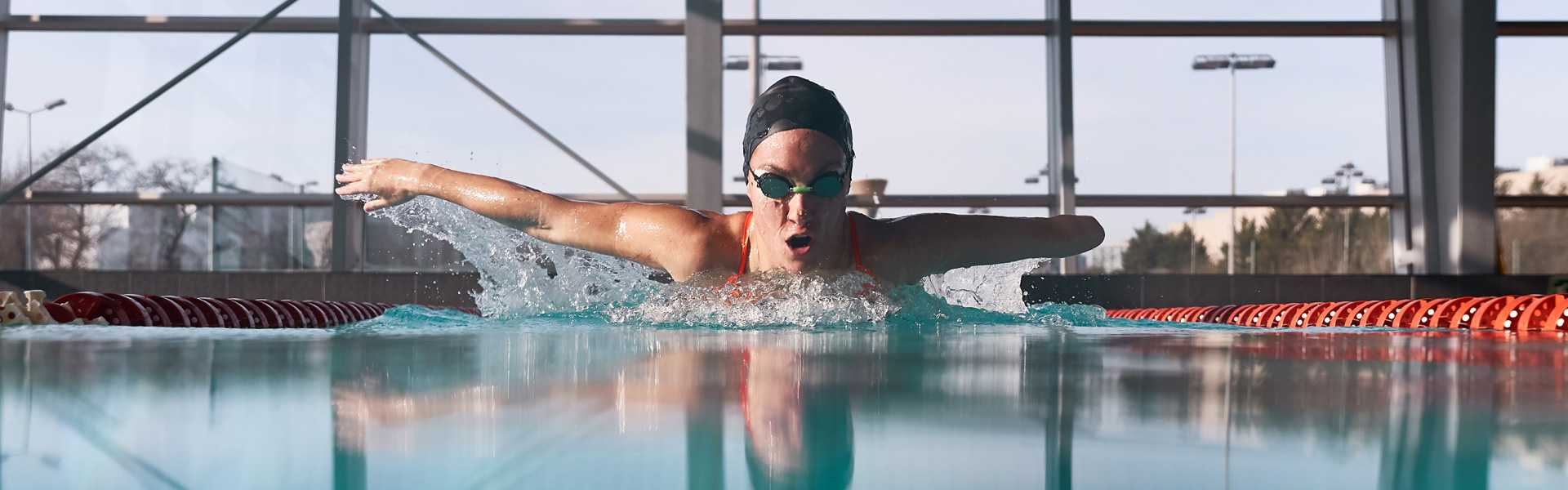
Para-swimming was one of the eight sports featured at the first Paralympic Games in 1960.
Para-swimming has its roots in the rehabilitative efforts following World War II. It began as a way for injured veterans to maintain physical fitness and regain mobility, eventually evolving into the highly competitive international sport it is today.
Since the first Paralympic Games in Rome (1960), the sport has seen explosive growth. What started with 77 swimmers from 15 countries has grown into one of the most popular Paralympic disciplines, featuring hundreds of athletes across multiple classification tiers.
Evaluation Levels
Classification identifies who is eligible to compete and groups them fairly based on their functional ability. The journey follows a tiered approach based on the level of competition.
Level 1 (Entry)
Purpose: To allow new swimmers to participate in local and club-level meets.
This is an “in-house” or doctor-verified screening. It establishes a temporary class and “Codes of Exception” so the swimmer isn’t disqualified for their impairment during local races. It is the first step toward the competitive pathway.
Athletes seeking a Level 1 Classification need to begin with a request. All members are eligible to request this evaluation; there is no age requirement or limitations. The Request Form can be found here: Request for Sport Class Evaluation (Online Form)
Level 2 (Provincial)
Purpose: To provide a standardized class for provincial-level competition.
Conducted by a Provincial Classification panel. This level ensures that athletes across the province are grouped fairly. It is required for athletes wishing to compete in Provincial Championships and to be considered for provincial funding or development teams.
Athletes seeking Level 2 Classification Evaluation may have their coach apply for an opportunity. Swimmers must be a minimum of 12 years old at the time of their sport class evaluation. The form is available to coaches who log into the Learning Management System through REMS.
Level 3 (National)
Purpose: For athletes competing at National Championships and Selection Trials.
This is a formal, multi-disciplinary evaluation by Swimming Canada. It yields a “National” status. Athletes must hold this level of classification to break national records or to be nominated for international (World Para Swimming) classification.
Athletes seeking a Level 3 Classification Evaluation must have their Provincial Sport Organization apply for an opportunity. Swimmers must be a minimum of 13 years old at the time of their sport class evaluation. PSO representative and the Coach of Record will need to meet to review and complete the application form.
Codes of Exception
Classification isn’t just about grouping; it also provides specific technical rules adaptations. These codes ensure officials judge para-swimmers fairly based on their impairment.
Tappers (11, 12)
Trained assistants who tap the swimmer on the head/back with a pole to signal the approaching turn or wall.
Straps (Y)
Use of a strap to hold legs together for stability during the start, provided it does not provide propulsion.
Assisted Start (A)
Physical assistance to maintain balance on the block or in-water starts for those unable to grip the rail.
One-Hand Touch
Approval for a single-hand wall touch in Butterfly or Breaststroke if a limb deficiency prevents a two-hand touch
Impairment Eligibility
Simply having a medical condition is not enough; the condition must result in one of the following “Eligible Impairments.”
Eligible Impairments (World Para Swimming)
Non-Eligible Impairments
The 10 P’s of Inclusion
Building an inclusive club culture requires intentional action. These ten principles serve as a roadmap for meaningful participation.
01
Be Proactive
Don’t wait for a para-swimmer to show up. Research local organizations and be ready with a plan before the first inquiry arrives.
02
Prioritize Participation
Focus on “Quality Participation.” Ensure swimmers feel they belong, have autonomy, and are challenged appropriately.
03
Public Policy
Have a formal, written policy of inclusion. It signals to the community that your club is committed to diversity at every level.
04
Promote Inclusive Language
Use person-first language. Audit your website and social media to ensure the imagery and wording reflect all abilities.
05
Plan Programming
Use the “Inclusion Spectrum.” Adapt drills and sets so para-swimmers can train alongside their peers effectively.
06
Find Your People
Identify champions within your club—coaches, board members, or parents—who are passionate about leading inclusion efforts.
07
Make Place Accessible
Physical access matters. Audit your facility for ramps, lifts, and accessible change rooms to remove physical barriers.
08
Development Pathway
Ensure para-swimmers have a clear route from “Learn to Swim” to competitive levels, just like any other athlete.
09
Keep Pricing Accessible
Consider the extra costs para-athletes face. Ensure club fees aren’t an additional barrier to entry for families.
10
Develop Partnerships
Collaborate with disability organizations, physical therapists, and SwimBC to share resources and knowledge.
Starting Your Journey in BC
In British Columbia, SwimBC provides a clear pathway for para-swimmers to integrate into the swimming community.
Find a Member Club
Most para-swimmers train in integrated environments with local SwimBC clubs. Look for clubs that describe themselves as “Inclusive” or “Para-Ready.
Initiate Classification
Start with a Level 1 screening to confirm your medical diagnosis and obtain basic race exceptions.
Development Pathway
As performance improves, athletes work toward provincial and national classification levels to compete in higher-tier championships.
Swim BC Contact
For guidance on getting started or classification opportunities in British Columbia, reach out to the provincial para-swimming coordinator.
Get Involved
If you are, or know of, a para-eligible athlete who might be interested in getting involved in swimming, please contact your local swim club to find a program that fits your needs.
The Swim BC office is located on the unceded territories of the lək̓ʷəŋən speaking people known today as the Songhees, the SXIMELEL (Esquimalt) and the WSÁNEĆ First Nations.
Swim BC gratefully acknowledges the financial support of the Province of British Columbia.
Thank you to our valued sponsors for your continued support of Swim BC:

Copyright © 2025, Swim BC. All rights reserved.